
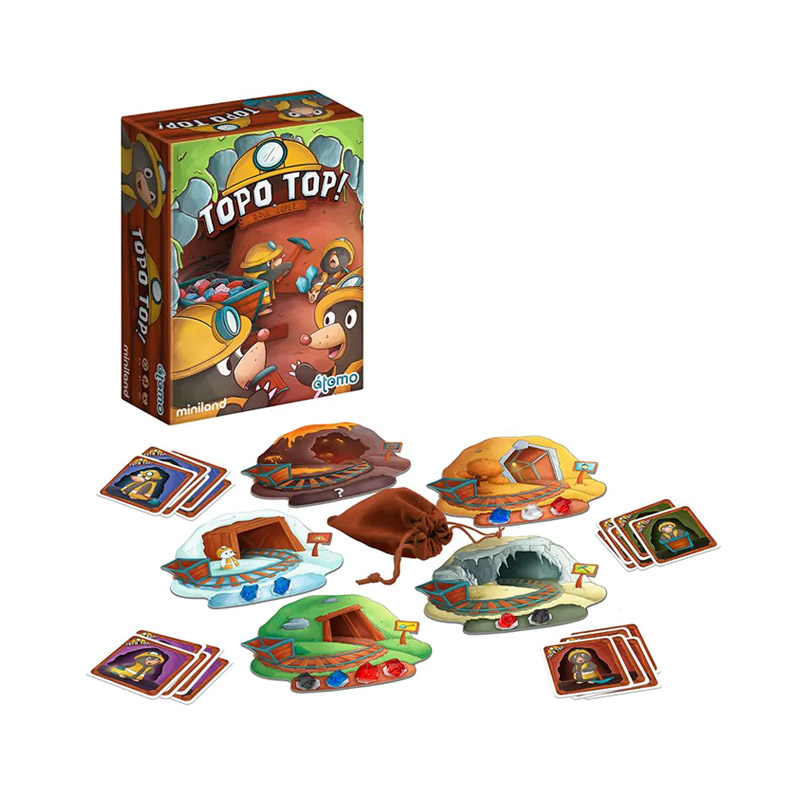
The vintage arcade-inspired Topo Mole Game has discovered a special audience in the UK, and its sonic environment is at the center of the discussion https://topomolegame.eu/. British players aren’t just hearing random beeps and thumps. They are dissecting the audio with a amount of precision that turns simple sound effects into something deeper. That manic rush of hammers, the solid ‘thwack’ of a hit—these noises are more than embellishment. They create the engaging core of the game. By sifting through forums, social media chatter, and player comments from Manchester to London to Glasgow, a vivid picture emerges. UK gamers view these sounds as integral parts of the game’s story and mechanics. This isn’t just about nostalgia. It’s about how sound works on the mind of a player today.
Community Creations: Funny Content and Music Edits
The game’s sounds have transcended beyond the game itself, becoming material for UK internet culture. On TikTok and Reddit, British users produce memes where the error sound punctuates a real-life blunder, or the hammer ‘thwack’ gets slapped onto videos of someone hitting an object. There’s also a specific group of amateur music producers, tapping into the UK’s electronic music scene, who use and remix these sounds. You can find drum and bass tracks based on the mole-pop rhythm, or humorous grime verses where the error tone works as a scratch effect. This organic takeover shows the sounds are more than functional. They are culturally sticky, becoming recognizable audio icons within specific digital communities.
The Tempo of Anarchy: Sound Signals as Rhythm-Makers
Later levels alter the soundscape. What was once a series of random events becomes a chaotic rhythm. UK players with musical backgrounds—drum and bass fans in Bristol, music students in Oxford—notice this. The random pops of moles produce unpredictable rhythms against your own hammer strikes. The error sound acts like a disruptive off-beat. This accidental complexity makes your brain to work harder, making the game feel faster. Players aren’t just reacting. They are attempting, often without realizing it, to locate a rhythm in the madness. This adds a sophisticated layer to the play, transforming a reflex test into a kind of musical performance where you conduct the chaos.
Acoustics as a Story Tool in a “Story-Lite” Game
Topo Mole Game doesn’t have a story. Yet UK players build one using the soundscape. The upbeat fanfare after a level isn’t just a victory jingle. Many interpret it as the moles celebrating your skill, or maybe challenging you for the next round. The quickening and intensifying of the popping sounds conveys the story of a level’s growing tension. Some players in innovative cities like Brighton assign the moles personalities, envisioning deeper pops as “angry boss moles.” This player-driven storytelling works because the sound design has distinctiveness. The sounds aren’t generic. They have character, which lets your imagination build a world around the simple action. It transforms into a lighthearted battle of wits against a saucy underground opponent.
The Essential Soundscape: Beyond Simple Sound
Topo Mole Game creates its world from a handful of sounds. A mole pops up with a ‘pop’. A hammer hits with a sharp crack. A miss activates a sour error tone, and clearing a level delivers a cheerful fanfare. On the surface, it seems basic. But many UK players, especially those who remember arcades or early consoles, view this minimalism as a smart choice. Every sound is unique, not melodic, and made for instant recognition. When the game gets frantic, your ears often respond faster than your eyes. One player from Birmingham said they frequently lunge at the *sound* of a mole before their brain has fully grasped the picture. This renders the gameplay feel visceral, a reflex loop where sound is the conductor. British reviews often point out this purity as a mark of clever design.
The Impact of Hardware: How Devices Shape the Sonic Experience
Your hardware changes how you hear Topo Mole Game. Someone with high-end PC speakers or gaming headphones in a Manchester gaming cafe will pick up every detail—the subtle reverb on a hammer strike, the spatial placement of a mole pop. Meanwhile, a person playing on a phone on a noisy London Tube will only perceive the piercing core frequencies fighting through the background rumble. This variation highlights how effective the core sound design is. UK tech reviews point out that the game works on any platform because its essential audio cues are built to be identifiable even when compressed or played through tinny speakers. The experience might change from immersive to purely functional, but the sounds never sacrifice their power to communicate.
The “Bonk” as Tactile Feedback: A Gratifying Core Loop
The standout sound, lauded almost without exception, is the ‘thwack’ or ‘bonk’ of a good hit. UK players depict it in physical terms. They talk about weight, solidity, and a sense of catharsis. This isn’t just an audio cue; it’s the key to the game’s feel. The screen shows a bump, but the sound conveys the impact. Players from Edinburgh to Cardiff claim getting this one sound right is a huge reason the game draws you. It transforms a tap on a screen into a perceived act of force. That tiny, satisfying reward is something your brain wants to repeat, feeding the “one more go” urge that shapes great arcade games.
Dissecting Player Satisfaction
Why does that hammer sound appear so good? The satisfaction comes from a few specific acoustic properties, even if players don’t use technical words to detail them.
Audio Components of the Perfect Hit
Looking at player depictions and the sound itself, a few elements stand out. It begins with a sharp, high-frequency attack that tells you your input counted immediately. Then follows a brief, lower-frequency rumble that mimics hitting something soft, giving it a cartoonish weight. There is no lag. The sound occurs the instant you click. This preserves the connection between your action and the game’s response being tight. The effect is a noise that feels both powerful and silly, aligning with the game’s tone perfectly. It isn’t too shrill or too flat. This balance has attracted the attention of UK indie game reviewers, who point to it as a lesson in how to craft feedback.
The Mental Impact of the Mistake Sound: From Irritation to Determination
The audio for a failed attempt is made to be unsettling—a brief, discordant buzz. From a mental standpoint, this negative reinforcement is powerful. UK player responses show a trend. The sound triggers a wave of frustration, a swift mental scolding (“I was silly to miss that one!”). But it rarely leads people desire to give up. Rather, it serves as a corrective jab. It hones your focus and reinforces your commitment for the upcoming try. The sound establishes a clear line between achievement and mistake, which renders the next rewarding ‘thwack’ feel even greater. The harmony is essential. The error sound is annoying enough to notice, but not so severe it leads you stop. Players in the UK recognize its role. It’s a nudge, not a blow.
Area Comparisons: UK vs. Global Sound Perceptions
The game works the same everywhere, but culture shapes how people talk about it. Contrasting UK forums with global ones demonstrates a subtle difference. British players use a specific vocabulary of humour and understatement. They may call a mole’s pop “cheeky,” the error tone “a bit miffing,” and the victory fanfare “proper chuffed.” There’s also a clear recognition for the game’s lack of looping, intrusive music. They enjoy that the sound effects get the spotlight. This matches a wider UK gaming taste for atmospheric or minimal soundtracks. In some other regions, the focus tends more on how each sound pertains to competitive scoring. The UK interpretation inclines to highlight character and physical humour, treating the moles like impish characters instead of abstract point targets.
Upcoming Hopes: What UK Players Want to Hear Next
Heeding the community, UK players have specific ideas for where Topo Mole Game’s audio could go next. They aren’t looking for a revolution. They want an expansion that preserves the iconic core sounds. A common request is for adjustable sound packs. Imagine exchanging the hammer sound for a cricket bat ‘click’ or a football rattle, introducing a dash of local flavour. Others suggest adaptive state-responsive music—ambient pads or rhythmic pulses that get more intense as the game speeds up, steering clear of repetitive melodic loops. There’s also fascination about advanced 3D audio for VR or premium speaker setups, where you could truly pinpoint a mole by sound alone. The common thread from the UK community is a wish for deeper immersion and a personal touch. They wish audio to enhance what’s already there: a engaging, stress-relieving, and deeply fulfilling game.